Table of contents
Traditional Japanese outfits transcend mere fashion; they carry centuries-old stories and cultural significance woven into every thread. From captivating ceremonies to daily life, these garments have shaped both Japanese society and global perceptions of elegance. Delve deeper to uncover how these iconic ensembles continue to influence art, identity, and contemporary trends.
History behind Japanese attire
Traditional Japanese clothing, or wafuku, finds its beginnings in ancient Japan, shaped by both indigenous customs and continental influences, especially from China and Korea. The kimono history can be traced to the Heian period (794-1185), a transformative era when the aristocracy developed intricate court dress with elaborate layering and vibrant colors, reflecting both status and aesthetic ideals. During this time, clothing became an indicator of rank within the court, with seasonal changes dictating not only color schemes but also fabric types. As centuries unfolded, the Japanese fashion evolution continued, particularly in the samurai class, whose attire emphasized practicality and authority. Samurai attire, including hakama trousers and kataginu vests, became symbolic of discipline and social order, while merchant and artisan classes developed their own distinct styles under strict sumptuary regulations.
The Edo period (1603-1868) marked a significant point in the development and standardization of the kimono silhouette, with rules about fabric, decoration, and color further reinforcing social hierarchy. During this era, traditional Japanese clothing diversified, and new patterns and weaving techniques were introduced, allowing for expression within the boundaries of status and occasion. Wafuku was not only about fashion but also served as a vehicle for conveying messages about identity, family lineage, and regional characteristics. Over time, Western influences in the late 19th and 20th centuries began to merge with established clothing traditions, leading to a unique blend that still characterizes Japanese fashion evolution today. The historical context and social structures of each era played a decisive role in shaping the aesthetics, function, and legacy of traditional Japanese attire, securing its place as a living artifact of cultural heritage.
Cultural symbolism in garments
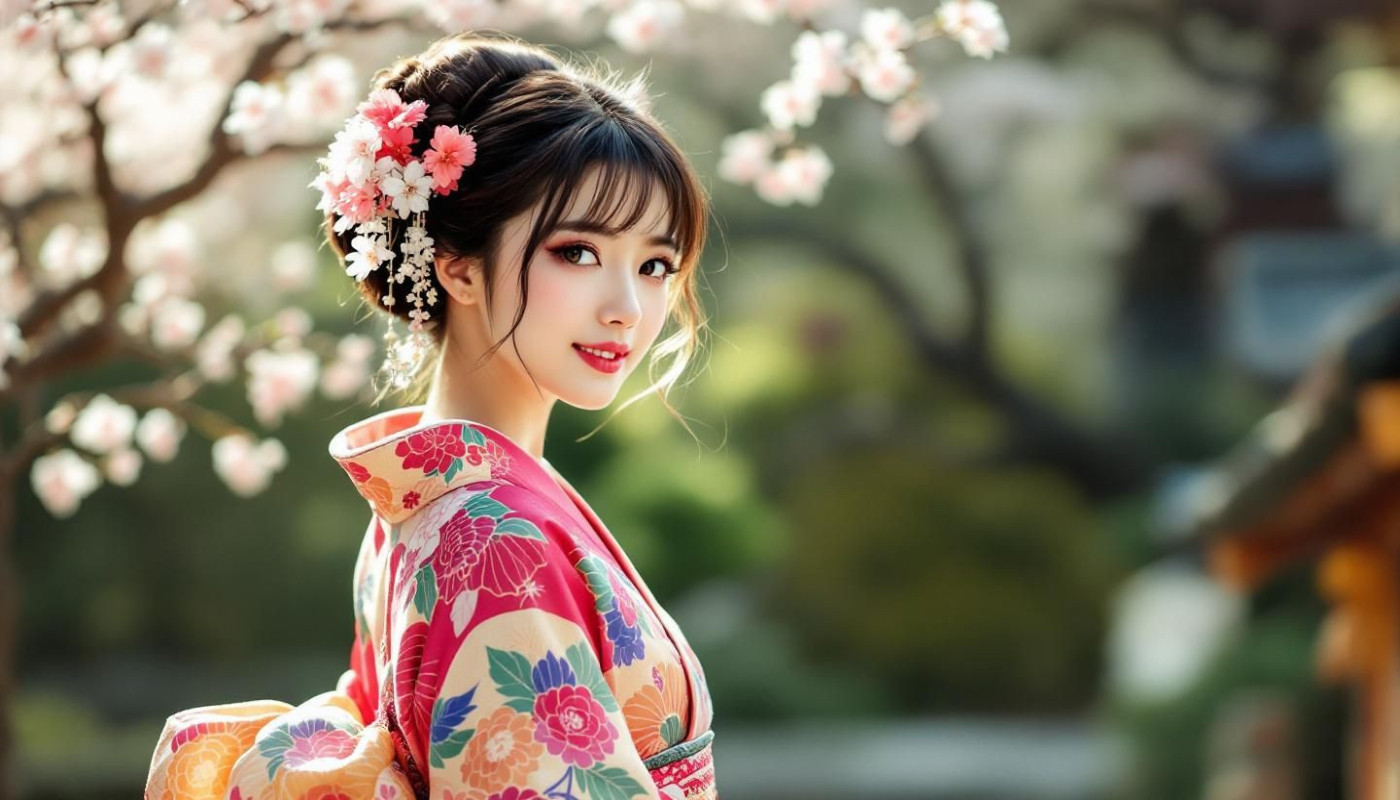
Symbolism in japanese clothing extends far beyond aesthetic appeal, infusing kimono meaning and other traditional garments with layers of cultural significance. Colors are carefully chosen: white often represents purity and mourning, while vibrant red is associated with joy and auspicious events. The technical term mon, or family crest, features prominently on formal kimono, indicating lineage and social status within Japanese society. Intricate japanese motifs such as cranes signify longevity, pine trees represent steadfastness, and cherry blossoms evoke the transience of life, all of which are not only decorative but also convey spiritual beliefs and personal aspirations. Fabric selection is equally telling, with silk reserved for special occasions and cotton used for everyday wear, reflecting both the wearer’s status and the event’s nature.
Traditional outfit colors and the placement of mon serve as visual language, instantly communicating information about the wearer’s family background, marital status, and even the appropriate season. For example, lighter hues and floral patterns are favored in spring, while earth tones and subdued motifs appear in the autumn months. The presence and arrangement of mon reinforce social hierarchy at gatherings, highlighting the enduring strength of japanese cultural symbols. Through this intricate web of symbolism, traditional garments become more than attire—they serve as living expressions of identity, belief, and societal values, encapsulating centuries of japanese motifs and customs in every fold and thread.
Impact on modern fashion
Traditional Japanese outfits have left a profound mark on both domestic and international style, shaping the trajectory of contemporary Japanese fashion influence. The kimono, once reserved for ceremonial occasions, has become a symbol of hybridization within the fashion world, inspiring modern kimono designs and the reinterpretation of iconic features such as flowing sleeves, intricate patterns, and obi belts. These elements frequently appear in runway collections and urban streetwear, illustrating the adaptability and enduring appeal of traditional clothing trends. Designers in Japan and abroad continuously experiment with fusion fashion japan, blending heritage aesthetics with Western silhouettes to create a distinctive contemporary japanese style that resonates with global audiences.
The process of hybridization can be seen in the way that vintage motifs and fabrics are incorporated into modern cuts, leading to a renaissance of Japanese garments in everyday wear. Emerging labels and internationally acclaimed fashion houses have embraced motifs like indigo-dyed textiles, bold geometric prints, and wrap closures, seamlessly weaving them into their designs. This ongoing dialogue between the past and present highlights the versatility and continued relevance of Japanese garments, establishing them as a touchstone in global fashion narratives.
Street style in urban centers such as Tokyo further demonstrates the dynamism of traditional clothing trends. Young fashion enthusiasts experiment with layering techniques reminiscent of kimono dressing, pairing flowing jackets, wide-legged hakama-inspired trousers, and avant-garde obi belts with contemporary accessories. This blending of eras and influences has not only fueled the popularity of modern kimono reinterpretations but also solidified Japan’s position as a leader in cross-cultural design innovation.
For those wishing to explore the impact of japanese fashion influence or seeking inspiration for fusion fashion japan, it is possible to discover a wide range of options and historical insights if you go to this site. This resource showcases how traditional and modern elements are merged, serving as a gateway to understanding the continuing evolution of contemporary japanese style.
Ceremonial and seasonal significance
Traditional Japanese outfits hold a fundamental place in various rituals, festivals, and seasonal celebrations, with each garment carefully selected to reflect cultural values and historical symbolism. During major events such as weddings, tea ceremonies, and ancestral commemorations, the ceremonial kimono is worn, often adorned with family crests and crafted from luxurious silks. The choice of color, pattern, and fabric always aligns with the occasion, conveying respect for tradition as well as the natural world. For instance, during shogatsu—the New Year celebration—seasonal attire japan features vibrant motifs like pine, plum, and bamboo for their auspicious meanings, while lighter fabrics and subdued colors are preferred during summer festivals. Japanese festival clothing, such as the happi coat or yukata, is typically worn during community events and matsuri, allowing for ease of movement and participation in dances or processions.
Clothing etiquette japan is guided by a complex set of customs, where correct layering, tying of obi sashes, and even the direction of left-over-right garment folding demonstrates cultural literacy and respect for tradition. In traditional japanese rituals, the act of donning specific attire is itself a ritual, symbolizing purification and readiness to engage with the divine or the community. Guests and participants are expected to adhere to these practices, with deviations seen as both a faux pas and a breach of social harmony. This meticulous attention to detail not only preserves the aesthetic integrity of each event but also reinforces the communal bonds and continuity of values that define Japanese society.
Preservation and cultural identity
As societies evolve, preserving japanese traditions like kimono craftsmanship becomes an anchor for maintaining japanese cultural identity. In recent years, various organizations and local communities throughout Japan have launched initiatives dedicated to traditional clothing preservation, supporting both the artistry and social significance of garments such as the kimono and yukata. Education plays a central role in this process, with workshops and school programs teaching younger generations the history, etiquette, and specialized skills involved in making and wearing these garments. Master artisans, known for their dedication to densho, or the transmission of knowledge, mentor apprentices in textile dyeing, weaving, and tailoring, safeguarding techniques that have been passed down for centuries.
Community festivals and cultural events throughout the year provide a stage for showcasing traditional attire and fostering pride in cultural heritage japan. These celebrations not only allow people to engage with their heritage, but also inspire renewed interest among global audiences. Digital archives and museum exhibitions further amplify the reach of kimono craftsmanship, making it accessible to those who might not otherwise encounter such cultural treasures. By prioritizing the preservation of traditional clothing, dedicated individuals and institutions enable the living spirit of japanese cultural identity to thrive in the modern era, ensuring that the rich tapestry of Japan’s past continues to inform and enrich contemporary life.
On the same subject

Exploring The Benefits Of Using Handcrafted Stands For Luxury Watches

The Impact Of Muhammad Ali's Fashion On Sports And Culture

Integrating Waist Beads Into Contemporary Women's Wardrobes

How To Style A White Satin Dress For Different Occasions
